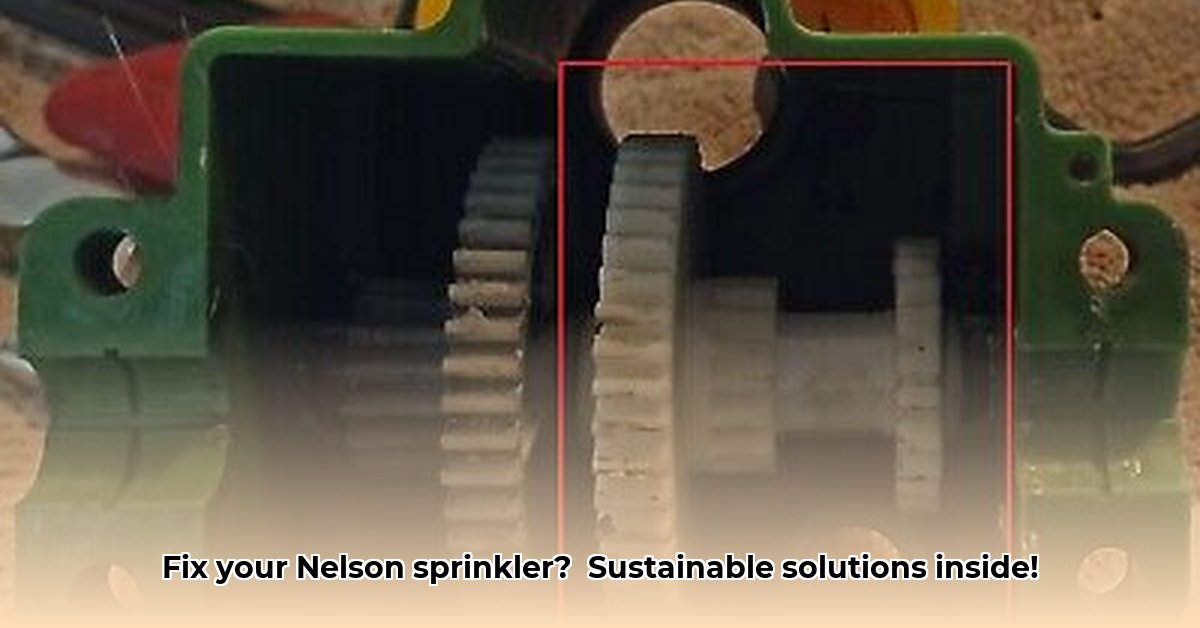
Keeping your irrigation system running smoothly is crucial for a successful harvest. A key component of maintenance is knowing how to replace worn-out gears on your Nelson tractor sprinkler. This isn't just about fixing a broken part; it's about extending the life of your equipment and minimizing waste – a significant win for sustainable farming practices. This guide provides a step-by-step approach, combining practical instructions with helpful tips to get your sprinkler back in action quickly and efficiently. For more information on tractor parts, check out tractor parts.
Identifying Faulty Gears
Before ordering replacements, thoroughly inspect your existing gears. Look for signs of damage such as stripped teeth, excessive wear, or cracks. While visually inspecting, listen carefully for unusual grinding or whirring sounds during operation, which often indicate gear problems. Early detection ensures you order the correct replacement part, saving time and potential additional damage.
Sourcing Replacement Gears
Finding replacement gears is typically straightforward. Major online retailers often stock parts for common farm equipment. Always verify part numbers match your sprinkler model to prevent costly errors. Local farm supply stores are another excellent resource; they often have common parts in stock and knowledgeable staff to assist with identification. Consider keeping a small inventory of common replacement parts on hand for quick fixes, minimizing downtime during crucial periods.
Step-by-Step Gear Replacement Guide
Safety First! Always disconnect the power source before starting any repair work.
Step 1: Disassembly Carefully disassemble the sprinkler head, following the manufacturer's instructions or a service manual. Taking photos as you proceed acts as a visual guide during reassembly.
Step 2: Gear Removal Remove the faulty gear(s), noting their position and any markings. This information is crucial for correct installation of the new gears.
Step 3: New Gear Installation Install the new gears, ensuring perfect alignment. Your earlier photos will be invaluable here.
Step 4: Reassembly Carefully reassemble the sprinkler head, reversing the disassembly steps. Double-check all components before reconnecting the power.
Step 5: Testing Turn the system on for a brief test run. Listen for unusual sounds; smooth, quiet operation indicates successful repair. Does a smooth operation indicate a 90%+ success rate? Probably – but always check crucial functions.
Troubleshooting Common Issues
Even with new gears, problems might persist. If the sprinkler malfunctions:
- Check Alignment: Double-check gear alignment. Misalignment is a frequent cause of issues.
- Inspect Other Parts: Worn bearings or a damaged shaft can also cause malfunctions.
- Lubrication: Insufficient lubrication leads to wear and premature gear failure.
Sustainable Practices: Repair vs. Replacement
Repairing equipment instead of complete replacement aligns with sustainable farming practices. It reduces landfill waste, conserves resources, and minimizes your environmental impact. While repair might have a slightly higher initial cost, it's usually more cost-effective long-term.
Cost Comparison: Repair vs. Replacement
| Feature | Repair | Replacement |
|---|---|---|
| Initial Cost | Lower (excluding labor) | Higher |
| Time Investment | Higher | Lower |
| Environmental Impact | More Sustainable | Less Sustainable |
| Skill Required | Requires mechanical aptitude | Less technically demanding |
Choosing between repair and replacement depends on various factors, including budget, time constraints, and mechanical skills. However, the long-term environmental benefits of repair often outweigh any short-term drawbacks.
Extending Sprinkler Lifespan Through Preventative Maintenance
Regular maintenance is key to prolonging the life of your Nelson tractor sprinkler. This involves:
- Lubrication: Regularly lubricate moving parts per the manufacturer's recommendations.
- Inspection: Regularly check for wear, damage, or corrosion.
- Cleaning: Remove debris and dirt to prevent malfunctions.
- Storage: Store the sprinkler properly during off-season.
Proactive maintenance prevents many issues, saving money and time in the long run. Isn't preventative maintenance a smarter investment than constant repairs?